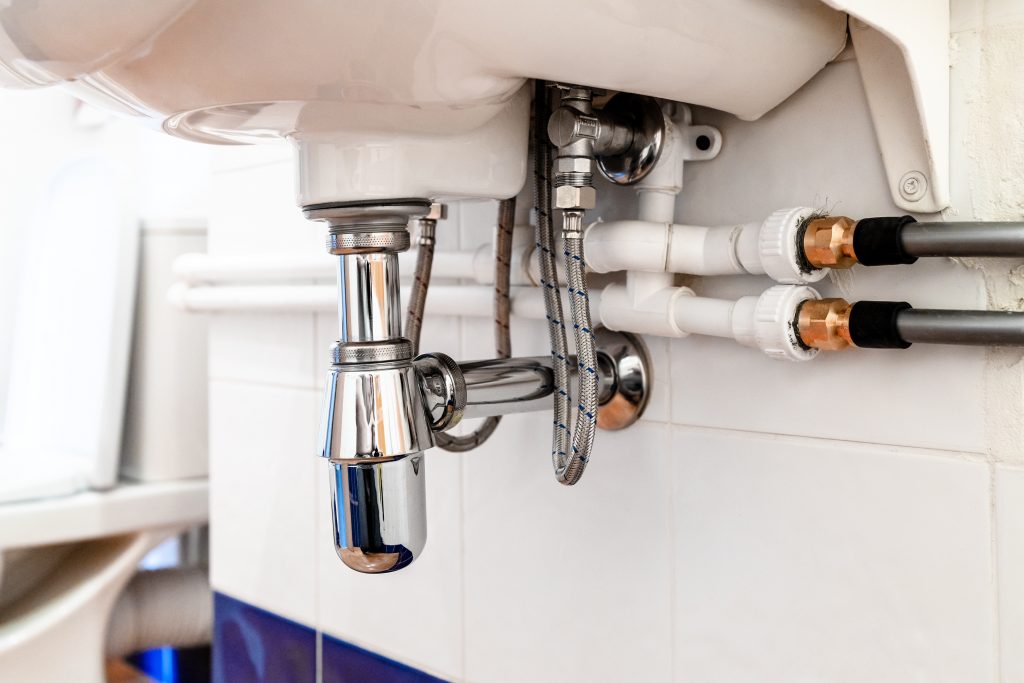
Small plumbing issues have a way of turning into big, expensive problems, especially in busy New York homes. A few simple habits can protect your pipes, fixtures, and wallet, and help you avoid that emergency “no water” or “water everywhere” moment.
Why Plumbing Maintenance Matters
Every day use slowly wears on drains, pipes, and water heaters. Grease hardens inside lines, minerals build up, and tiny leaks grow over time. Regular maintenance helps you spot problems early and keep everything flowing smoothly. A little attention now is almost always cheaper than a major repair later.
1. Do a Quick Monthly Check
Set a monthly reminder to walk through your home and look for small warning signs.
- Open the cabinet under each sink and check for moisture, stains, or musty smells.
- Run water for a minute and watch the trap and supply lines to be sure nothing drips.
- Flush toilets and listen for continuous running or refilling, which can waste a lot of water.
Catching these signs early lets you call for a simple repair before you’re dealing with swollen cabinets or damaged flooring.
2. Treat Your Drains Right
What goes down your drains has a huge impact on how often you face clogs.
- In the kitchen, avoid pouring grease, oils, or large food scraps down the sink. Let the grease cool, then throw it in the trash.
- In the bathroom, use drain strainers to catch hair and soap scum in showers and sinks.
- Never flush wipes, paper towels, cotton swabs, or hygiene products, even if the packaging says “flushable.”
Once a week, you can run hot water down the kitchen and bathroom drains to help move along light buildup. Skip harsh chemical drain cleaners; they can damage pipes and usually only provide a temporary fix.
3. Keep an Eye on Your Water Heater
Your water heater works constantly behind the scenes, and a little maintenance can extend its life.
- Check the temperature setting; many homes are fine around 120°F to balance comfort, efficiency, and safety.
- Look around the base of the tank for rust, damp spots, or active leaks.
- Listen for loud popping or banging sounds, which may indicate sediment buildup in the tank.
If you notice leaks, heavy rust, or frequent hot‑water issues, it’s time to have a professional inspect the unit and talk through repair or replacement options.
4. Use a Simple Seasonal Checklist
New York’s weather puts extra strain on plumbing systems, especially during winter.
- Before winter:
- Disconnect outdoor hoses and, if possible, shut off and drain exterior spigots.
- Insulate any exposed pipes in unheated areas, such as basements, garages, and crawl spaces.
- In warmer months:
- Check hose bibs and outdoor lines for leaks that may have developed over winter.
- Look for damp spots along basement walls or floors after heavy rain, which can indicate drainage or sump issues.
These seasonal habits reduce the risk of frozen pipes and surprise leaks.
5. When to Call a Professional for Maintenance
Some tasks are simple for homeowners, but a professional checkup is still worth scheduling, especially in older homes in the Bronx, Westchester, and Queens. A licensed plumber can:
- Inspect visible plumbing and key fixtures for early signs of wear.
- Test shut‑off valves, pressure, and drains more thoroughly.
- Recommend repairs or upgrades before something fails at the worst possible time.
If you want help putting a maintenance plan in place—or you’ve spotted something that doesn’t look quite right Vinny’s Plumbing Services can inspect your system, explain what’s going on in plain language, and help you prevent costly plumbing emergencies.